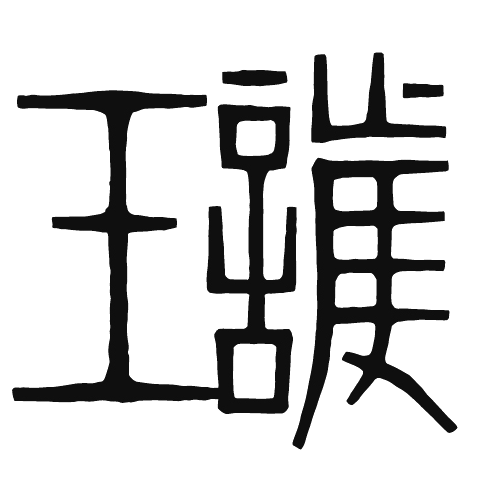
御神木
日本では、古くから特別な木を「御神木」として敬い、大切にしてきました。
御神木は、神社の境内やその周辺に立つことが多く、
神社とともに、その土地を見守ってきた存在です。
日本の神社は、神々を祀る場所であると同時に、
自然と人、人と土地がつながる場所でもあります。
そこでは、木々や森、山や水といった自然そのものが
神聖なものとして大切にされてきました。
御神木には、人々が祈り、感謝を捧げ、
季節を重ねてきた長い時間があります。
それは、単に樹齢が長い木や、
大きく立派な木を指すものではありません。
その土地に暮らす人々とともに時を重ね、
風景を見守り、
何世代もの記憶とともに受け継がれてきた、
ひとつの生命です。
その価値は、木の大きさや樹齢だけではなく、
その木と土地、そして人々との間に育まれてきた
長い関係そのものにあります。
GO-OUは、
御神木が、そこに立ち続けることができなくなったとき、
その物語まで終わる必要はないと考えています。
ただ木材として扱うのではなく、
その木が歩んできた歴史に耳を傾け、
刻まれた時間を尊重しながら、
建築や工藝、そして暮らしの中に
新たな形として受け継いでいく。
木を使うことは、
その時間を終わらせることではなく、
未来へつないでいくこと。
一本の木から、次の森へ。
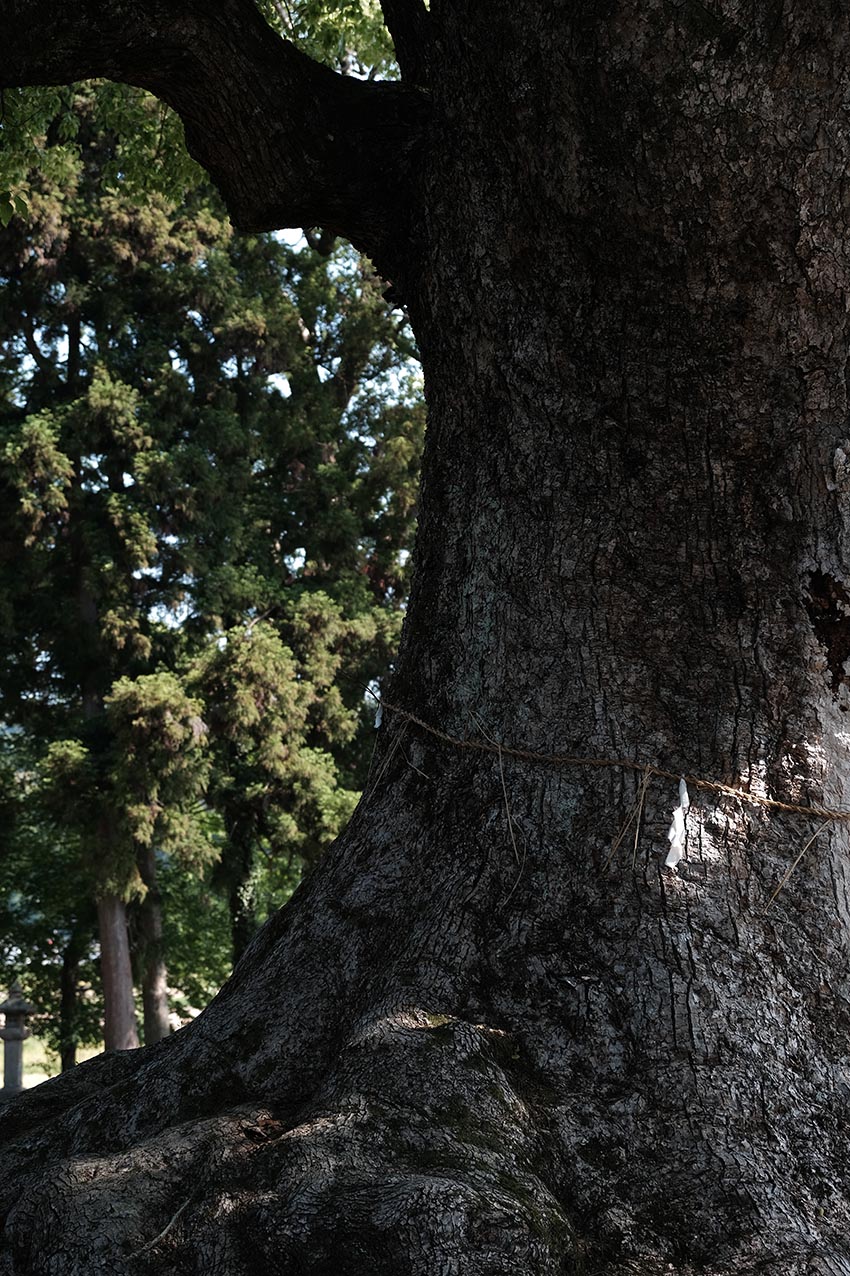
GOSHINBOKU
In Japan, certain trees have long been revered as Goshinboku — sacred trees.
Many Goshinboku stand within or near Shinto shrines, where they have watched over the land and the people who live there for generations.
A Japanese shrine is not only a place where deities are enshrined.
It is also a place where people, nature, and the land come together.
Trees, forests, mountains, and water have long been regarded as sacred elements of the natural world, and cared for as part of the spiritual landscape of each place.
A Goshinboku carries this long passage of time.
It is not simply an old or magnificent tree.
It has lived alongside generations of people,
witnessed the changing seasons and landscapes,
and been passed down together with the memories of the land.
Its value lies not only in its age or size,
but in the relationship that has grown between the tree,
the land, and the people who have cared for it over time.
At GO-OU, we believe that when a sacred tree can no longer remain where it has stood,
its story does not have to end.
Rather than seeing it simply as timber,
we seek to understand its history, honor the time it has carried,
and give that story a new form through architecture, craftsmanship, and everyday life.
To use such a tree is not to bring its story to an end.
It is to carry its time forward,
from the past into the future.